
Top eSIM Compatible Devices You Didn’t Know Work Right Now
An eSIM compatible device uses an embedded SIM chip instead of a physical card, allowing users to activate a cellular plan digitally. This built-in technology enables switching between mobile carriers without swapping a physical SIM, offering convenience for travel or multi-line management. To use it, users simply scan a QR code or download a UK eSIM carrier profile directly onto the device, eliminating the need for a plastic card slot. The embedded nature of the eSIM frees up physical space in the device, supporting sleeker designs and enhanced durability.
Unlock the Future: Hardware That Supports Embedded SIM Technology
Unlocking the future hinges on hardware that natively supports embedded SIM technology, eliminating the physical SIM tray in devices like the latest flagship smartphones, smartwatolds, and cellular laptops. This hardware integration allows users to activate a mobile plan instantly by scanning a QR code or using an app, without waiting for a plastic card to arrive. For travelers, this means switching to a local network provider directly from device settings, avoiding roaming fees. The permanence of the chip means it is soldered onto the motherboard, freeing up internal space for larger batteries or advanced sensors.
With esim-compatible devices, you hold the power to change carriers in under a minute, turning hardware into a switchboard for global connectivity.
This design ensures that your device’s cellular identity is not tied to a fragile, removable component.
Flagship Smartphones With Native Digital SIM Support
Flagship smartphones now embed native digital SIM support directly into their hardware, eliminating the need for physical SIM trays. Devices like the iPhone 15 Pro, Samsung Galaxy S24 Ultra, and Google Pixel 8 Pro allow users to activate a cellular plan instantly by scanning a QR code or downloading an eSIM profile. This streamlined multi-network management enables switching between carriers without swapping cards, ideal for frequent travelers. The hardware’s dedicated eSIM chip stores multiple profiles, letting users keep home and local plans active simultaneously. Q: Can I use two different carriers on the same flagship phone without removing anything? A: Yes—most modern flagships support dual SIM operation via one physical SIM and one eSIM, or two eSIMs, offering seamless carrier flexibility without hardware swaps.
Mid-Range and Budget Handlers That Accept eSIM Cards
Mid-range and budget handlers that accept eSIM cards now include models like the Google Pixel 7a and Samsung Galaxy A54, offering cost-effective eSIM access without premium pricing. These devices typically support dual-SIM functionality, combining one physical nano-SIM with a single eSIM profile. The eSIM setup on budget models often lacks automatic carrier detection, requiring manual QR code scanning. Users must verify carrier compatibility, as many low-cost phones restrict eSIM to postpaid plans or specific regions. Physical slot configuration varies: some budget handlers place eSIM alongside a microSD card, while others share the tray. Battery impact remains negligible, as eSIM engagement draws minimal power across integrated hardware.
| Model | Price Range | eSIM Profile Limit | Physical SIM Slot |
|---|---|---|---|
| Google Pixel 7a | $400–$500 | 1 | 1 |
| Samsung Galaxy A54 | $350–$450 | 1 | 1 |
| Moto G Stylus 5G 2024 | $250–$350 | 1 | 1 |
Top Wearable Gadgets Leveraging Remote SIM Provisioning
Smartwatches like the Apple Watch Ultra and Samsung Galaxy Watch 6 Classic are leading the charge in wearable eSIM connectivity, allowing you to leave your phone behind while still taking calls, streaming music, and receiving notifications. Fitness trackers, such as the Garmin Venu 3, leverage remote SIM provisioning to enable real-time safety features and live tracking without a paired device. Even LTE-equipped smart rings, like those from industry innovators, use eSIM profiles to handle urgent messages and payments directly from your finger, cutting the cord to your pocket entirely.
| Gadget | Primary eSIM Benefit | Phone-Free Capability |
| Apple Watch Ultra | Full call & data relay | Complete (with compatible carrier) |
| Samsung Galaxy Watch 6 Classic | Standalone notifications & music streaming | High |
| Garmin Venu 3 | Live safety features & tracking | Partial (focus on essentials) |
Apple’s Ecosystem: Devices That Rely on Digital SIMs
Within Apple’s ecosystem, devices relying on digital SIMs include iPhone XS and later models, iPad Pro (3rd gen and later), iPad Air (3rd gen and later), iPad (7th gen and later), and Apple Watch Series 3 and later. These eSIM-compatible devices allow users to activate cellular plans without a physical SIM card, enabling multiple profiles for work and travel. A key limitation: you can store up to eight or more eSIMs, but only two can be active simultaneously. Q: Can an iPhone use both a physical SIM and an eSIM? A: Yes, models from iPhone XR onward support dual SIM with one physical nano-SIM and one eSIM. This flexibility simplifies switching carriers or adding international plans directly through device settings.
iPhone Models That Ditch the Physical Tray
Starting with the iPhone 14 series in the U.S., Apple began shipping models that completely remove the physical SIM tray, mandating dual eSIM-only activation. These devices rely entirely on embedded digital SIMs for cellular connectivity, requiring users to transfer their phone number via a carrier app or QR code during setup. For international travel, users must pre-load a local data eSIM before departing, as no physical slot exists for temporary SIM cards. This design streamlines water resistance but creates a strict dependency on carrier eSIM support.
Q: Which iPhone models removed the physical SIM tray entirely?
A: The U.S. versions of the iPhone 14, iPhone 15, and iPhone 16 series (including Pro and Plus variants) are eSIM-only, with no physical tray.
iPads With Cellular Connectivity and Embedded Profiles
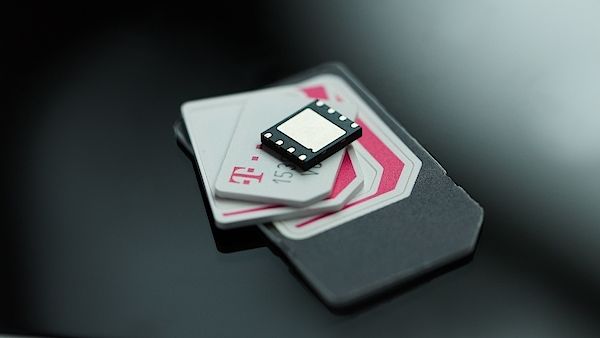
iPads with cellular connectivity leverage eSIM technology to offer seamless on-device data plans without a physical SIM card. An embedded profile can be downloaded directly from a carrier or through the iPad’s settings, allowing users to switch between multiple operators for travel or work. This eliminates the need to swap tiny cards, keeping the device’s design sleek and water-resistant. The process is instant—select a plan, activate the profile, and stay online anywhere with cellular coverage.
- Downloading an eSIM profile takes less than two minutes in Settings.
- You can store multiple profiles but use only one active data line at a time.
- iPads with cellular models support eSIM alongside a physical nano-SIM for dual use.
Apple Watches That Dial Independently via eSIM

Apple Watches with cellular models use a built-in eSIM to operate independently of a paired iPhone. This allows the watch to make and receive calls, send messages, and stream music directly over a mobile network. Users activate the standalone cellular connection by adding a secondary eSIM plan from their carrier, often through the Watch app on an iPhone. The watch then dials out using its own phone number or by sharing the iPhone’s number via Apple’s Number Share feature. Practical use includes leaving the iPhone behind during workouts or errands while staying reachable.
Google Pixel Lineup: Phones Built for Virtual Cards
The Google Pixel lineup designed for virtual cards lets me swap my travel eSIM or a new work number directly from the Settings app, skipping the hunt for a physical SIM tray. When I land in a new country, I just scan a QR code from my email, and my Pixel instantly activates the local carrier profile, storing multiple eSIMs simultaneously. No more fumbling with tiny plastic chips at the airport or worrying about losing a physical SIM. The Pixel’s tight integration with Android also means my default payment card in Google Wallet is always ready, while the eSIM handles calls separately—a seamless dual-life setup for anyone relying on eSIM compatible devices to keep connectivity effortless.
Pixel Devices With Dual SIM Capabilities via Software

Pixel devices, starting with the Pixel 2, implement dual SIM capabilities via software by combining a physical nano-SIM with an integrated eSIM profile. This allows users to maintain two active phone numbers for personal and work lines without needing a second physical slot. Switching between data lines or designating a primary SIM for calls and texts is managed directly in the system settings, offering seamless carrier profile management. The software handles both networks concurrently, ensuring one line remains reachable while the other is used for data.
Pixel devices achieve dual SIM functionality by pairing a physical SIM with a software-based eSIM, enabling users to manage two lines directly from system settings without extra hardware.
Older Pixel Generations That Still Support eSIMs
Older Pixel generations, starting with the Pixel 2 and continuing through the Pixel 5, provide robust legacy eSIM compatibility for users who prefer not to upgrade. Specifically, the Pixel 2, 2 XL, 3, 3 XL, 3a, 3a XL, 4, 4 XL, 4a, 5, and 5a all support eSIM functionality. This allows owners to activate a secondary line or use a virtual card without a physical SIM slot, provided the device is unlocked and running a supported carrier profile. Notably, while the Pixel 2 series pioneered the feature, its eSIM support is limited to Google Fi; later models like the Pixel 3 and 4 series expand compatibility to major global providers.
Pixel Tablets and Foldables With Integrated SIM Options
Pixel Tablets and Foldables with integrated SIM options, such as the Pixel Fold and Pixel Tablet, come equipped with native eSIM support alongside a physical SIM slot. This dual capability allows users to activate a cellular data plan on the tablet or foldable phone without a physical card, streamlining setup for on-the-go connectivity. The integrated eSIM particularly benefits the Pixel Fold, enabling seamless switching between carriers for voice and data without accessing the device’s SIM tray. Users can manage both lines directly from the device’s settings, ensuring flexibility for travel or work. This built-in Pixel eSIM integration simplifies activating a secondary line directly from the device’s interface, making tablets and foldables fully functional eSIM compatible devices.
Samsung Galaxy Series: Handsets With eSIM Flexibility
The Samsung Galaxy series offers a broad selection of handsets with eSIM flexibility, allowing users to switch carriers or add a secondary line without handling a physical card. Flagship models like the Galaxy S24 and S23 Ultra support dual SIM setups—one physical nano-SIM and one eSIM—enabling seamless travel or work-life balance. Mid-range Galaxy A-series devices have also adopted eSIM, lowering the barrier for accessing multiple plans. Activating an eSIM involves scanning a QR code or downloading a carrier profile directly from settings, bypassing the need for store visits. This flexibility transforms the phone into a practical tool for managing connectivity on the fly, whether for temporary data plans or permanent dual-line usage.
High-End Galaxy S and Note Models With Dual Support
Samsung’s premium Galaxy S and Note models with dual eSIM support empower you to manage two active lines simultaneously without physical SIM swaps. In recent flagships like the Galaxy S23, S24, and Note20 Ultra, the built-in eSIM works alongside a physical nano-SIM, enabling seamless switching between personal and business numbers or international data plans. You can assign separate ringtones and data allowances per line directly from the settings menu. This dual capability eliminates the need for carrying a second device, streamlining connectivity for frequent travelers and professionals. The integration is instantaneous, requiring only a QR scan or carrier app to activate the second line.
Select Galaxy A and Z Series Embracing Virtual SIMs
Samsung’s Select Galaxy A and Z Series eSIM adoption offers users a tangible shift in connectivity management, particularly in mid-range and foldable devices. The Galaxy A54, A34, and Z Fold/Flip 5, for example, allow a physical nano-SIM to coexist with an embedded eSIM, enabling dual-line usage without a second physical slot. To activate, users navigate to Settings > Connections > SIM Manager, then scan a carrier’s QR code. The Galaxy Z series uniquely supports two eSIMs alongside the physical SIM, tripling potential profiles. This flexibility lets travelers keep a home number active while adding a local data plan, all within one handset. Practical steps include:
- Ensuring the device is carrier-unlocked for eSIM compatibility.
- Obtaining a QR code or activation code from a supported carrier.
- Adding the eSIM via the SIM Manager menu, then assigning default data or calls.
Samsung Wearables That Sync Without a Physical Chip
Samsung’s Galaxy Watch series, including the Watch6 and Watch5, lets you sync calls, texts, and data without needing a physical SIM. This means you leave your phone behind for a run, yet still stream music or get notifications, all via an eSIM profile embedded in the watch. Setup is straightforward: open the Galaxy Wearable app, choose “mobile plans,” then scan or manually enter the QR code from your carrier. With eSIM enabled, your watch uses the same number as your phone, so you’re never disconnected. It’s a true unplugged experience.
- Pair your Galaxy Watch to your Samsung phone via Bluetooth in the Galaxy Wearable app.
- Open “mobile plans” in the app and select “add plan.”
- Scan the eSIM QR code provided by your carrier or enter details manually.
- Wait for activation; your watch will then sync calls and data independently.
Other Major Brands Joining the eSIM Movement
Beyond Apple and Google, other major brands joining the eSIM movement have expanded the range of eSIM compatible devices for users. Samsung now integrates eSIM across its Galaxy S and Z Fold series, allowing dual SIM flexibility without a physical card. Huawei includes eSIM in its P and Mate series, enabling seamless carrier switching. Microsoft’s Surface Pro X and newer Surface models support eSIM for integrated LTE connectivity directly. Google’s Pixel phones feature eSIM alongside a physical slot, giving users the option to activate plans digitally. Samsung’s Galaxy Watch and other smartwatches from brands like Fitbit also leverage eSIM for standalone cellular use. These additions mean users can manage multiple profiles on a single device, often without visiting a store or swapping cards.
Huawei and Honor Smartphones With Embedded Profiles
Huawei and Honor smartphones with embedded profiles, such as the Huawei P40 series, Mate 40 series, and Honor 30 Pro+, integrate eSIM functionality as a primary dual-SIM solution. These devices typically combine one physical nano-SIM slot with one embedded eSIM profile, allowing users to activate a cellular plan without a physical card. For models like the Huawei P50 Pro, the eSIM supports both voice and data services. Users manage profiles directly through the device’s mobile network settings, enabling quick switching between carriers. This implementation is proprietary and may limit carrier compatibility to those explicitly supporting Huawei or Honor eSIM provisioning.
Motorola Handsets Offering Remote SIM Activation
Motorola handsets offering remote SIM activation allow users to download an eSIM profile directly to the device without a physical card. This feature is integrated into models like the Motorola Edge and Razr series, enabling users to switch carriers by scanning a QR code or using a carrier app. The process is managed through the phone’s Remote SIM provisioning settings, streamlining connectivity for travel or multi-line use. Motorola’s implementation ensures that compatible handsets can store multiple eSIM profiles, though only one can be active at a time alongside a physical nano-SIM. This practical approach gives users flexible dual-SIM functionality without needing to visit a store.
OnePlus and Oppo Devices Expanding eSIM Reach
OnePlus and Oppo have significantly expanded their eSIM support across recent flagship and mid-range models. The OnePlus 12 and 12R, along with the Oppo Find X7 series, now natively support dual SIM setups with one physical nano-SIM and one embedded eSIM profile, enabling users to switch between carriers without a physical card. Older devices like the OnePlus 11 and Oppo Find N2 Flip have also received firmware updates adding eSIM functionality. This expanded OnePlus and Oppo eSIM compatibility allows travelers to easily add local data plans while retaining their primary number, though users should verify carrier support for each specific model before purchase.
Laptops and Tablets Beyond Smartphones
With eSIM, your laptop or tablet becomes a truly independent device, not just a smartphone sidekick. You can buy a temporary data plan directly from the provider’s app for a work trip, freeing your phone to stay on its home number. This is perfect for remote work at a café or library, as your tablet instantly switches to a local network without hunting for dodgy Wi-Fi. Unlike a phone, these larger screens let you handle video calls and file uploads smoothly on that temporary connection. Having a separate tablet data line means your phone can finally run out of battery without losing your other device’s connection. The key benefit is true multitasking portability, where each gadget keeps its own optimized cellular link.
Microsoft Surface Models With Always-Connected SIMs
Microsoft Surface models with always-connected SIMs, such as the Surface Pro 9 5G and Surface Laptop 5 for Business, integrate an eSIM for seamless cellular connectivity. This allows users to activate a mobile data plan directly from the device settings without a physical SIM card. To use the eSIM, you must first ensure the Surface model includes the “5G” or “Always Connected” designation. The setup follows a clear sequence:
- Navigate to Settings > Network & Internet > Cellular.
- Select your mobile operator from the listed eSIM profiles or scan a QR code provided by the carrier.
- Download and activate the data plan, enabling instant internet access outside Wi-Fi range.
Chromebooks That Use eSIM for Mobile Broadband
Chromebooks that use eSIM for mobile broadband allow students and remote workers to activate cellular data plans directly from the device’s settings, bypassing physical SIM cards. This is particularly useful for educational deployments where IT teams can remotely provision connectivity across multiple devices. Always-on connectivity without a physical SIM ensures users remain online in libraries, coffee shops, or field research locations lacking Wi-Fi. Most modern eSIM Chromebooks support dual connectivity, meaning the embedded profile runs concurrently with a physical SIM or Wi-Fi for failover redundancy.
Can I switch mobile carriers on an eSIM Chromebook without buying a new plan? Yes, you can download a new profile from a supported carrier’s website or app, then delete the old one—no need to visit a store or swap cards.
High-End Tablets From Lenovo and Xiaomi With Digital SIMs
Lenovo’s high-end eSIM tablets with digital SIMs, like the Tab P12 Pro, let you add a cellular data plan without fumbling for a physical card. Xiaomi’s flagship Pad 6 series offers similar flexibility, often supporting multiple operator profiles directly in settings. To activate, you typically scan a QR code from your carrier or enter details manually. Managing these profiles is straightforward through the device’s SIM manager, making switching between work and personal lines simple.
- Choose an eSIM plan from a compatible provider.
- Open the tablet’s settings and select “Mobile Network.”
- Add the eSIM via QR or manual entry.
Connected Cars and IoT Gadgets With Virtual SIMs
Connected cars and IoT gadgets with virtual SIMs rely entirely on eSIM compatible devices for their core functionality. Unlike a physical SIM, the embedded eSIM allows your car’s infotainment system or a smart sensor to switch mobile networks remotely without needing a hardware swap. This means your dashboard can always stay online for real-time traffic or remote diagnostics, and a drone can maintain a stable link during flight. Provisioning a new data plan for your smart lock or pet tracker happens in seconds via an app, not by waiting for a plastic card. This virtual setup is particularly handy when managing multiple gadgets across different regions, as a single eSIM profile can hold several operator credentials simultaneously.
Modern Vehicles With Embedded Connectivity for Navigation
Modern vehicles with embedded connectivity for navigation utilize integrated eSIMs to maintain persistent, high-accuracy GPS links without relying on a paired smartphone. This hardware-level SIM enables real-time traffic rerouting, dynamic point-of-interest updates, and over-the-air map refreshes directly through the car’s infotainment system. The always-on eSIM connection ensures navigation persists through tunnels and rural zones by switching between carrier profiles automatically, while offline map caching reduces data usage. Drivers benefit from predictive route suggestions based on learning daily patterns, all managed through the vehicle’s native telematics unit.
Modern vehicles with embedded connectivity for navigation depend on eSIMs for dedicated, always-on GPS services that provide real-time traffic updates and offline map caching without external device tethering.
Smartwatches and Fitness Trackers Relying on eSIM
Smartwatches and fitness trackers with eSIM eliminate the need for a physical SIM card, allowing independent cellular connectivity without a paired smartphone. This enables features like standalone GPS tracking, streaming music, and receiving calls or messages directly on the wrist. eSIM smartwatches rely on remote provisioning, often sharing the user’s primary phone number via a carrier-managed secondary line. For fitness tracking, this means real-time workout metrics, emergency SOS, and location sharing can function during runs or swims without a phone nearby. Battery drain is higher during cellular use, so devices typically switch to Bluetooth when the smartphone is in range. The eSIM profile is usually linked to the watch’s IMEI, requiring carrier activation before use.
Smartwatches and fitness trackers with eSIM provide standalone cellular functionality for calls, GPS, and streaming, freeing users from phone dependency during workouts or daily activities.
Routers and Hotspots Distributing eSIM-Based Internet
A dedicated eSIM-compatible mobile router or hotspot acts as a central node, ingesting a virtual SIM profile to create a local Wi-Fi network. Unlike a tethered phone, these devices prioritize sustained throughput for multiple IoT sensors or vehicle systems. The practical setup involves scanning a QR code from your provider to load the profile directly into the router’s dashboard. Once active, the device distributes the internet via standard 2.4GHz or 5GHz bands. An advantage is the ability to switch between multiple stored eSIM profiles without physically swapping cards, allowing automatic failover if a primary carrier’s signal degrades. For coverage extension, a 4G/5G hotspot with an external antenna port can optimize signal in a moving car.
- Provision the router by scanning the provider’s eSIM QR code within its web or app interface.
- Configure the SSID and security protocol for connected gadgets or onboard vehicle modules.
- Set a failover rule to switch to a secondary eSIM profile if the primary connection drops below a defined threshold.
Key Factors When Choosing a Virtual SIM-Enabled Device
When selecting an eSIM-compatible device, the primary factor is native eSIM support rather than a physical SIM slot, ensuring the device can store multiple operator profiles without a removable card. Evaluate the number of concurrent eSIM profiles the device can hold, as budget models often limit this to one or two, while premium handsets support up to eight. The device’s IoT-specific chipset must handle seamless profile switching during roaming without requiring manual QR codes for each network. Additionally, confirm that the device’s operating system offers a dedicated eSIM manager interface for adding, deleting, and defaulting profiles, as this varies significantly between brands and Android versions. Battery life and form factor also matter: a ruggedized eSIM device with a moderate battery is ideal for travel, whereas a slim smartphone with quick eSIM provisioning suits daily use. Avoid devices that rely on proprietary apps for eSIM activation, which may introduce compatibility issues across carriers.
Network Compatibility Across Carriers and Regions
When choosing an eSIM device, carrier and regional network compatibility is critical because a device may support eSIM but lack the specific LTE or 5G bands used by your target carrier. Always verify that the frequency bands required by your intended carrier are fully listed in the device’s specifications. Some devices are locked to a single carrier’s eSIM profiles, while others support multiple profiles but restrict activation to specific regions. A device purchased in one country might not recognize eSIMs from carriers in another region due to firmware restrictions. Cross-reference the device’s supported bands with each carrier’s network before committing.
To ensure connectivity, match the device’s supported eSIM bands and carrier whitelist with your target region’s network infrastructure.
Storage and Management of Multiple eSIM Profiles
When evaluating devices, the eSIM profile management interface dictates how you store and switch between multiple operator profiles. A device’s internal memory limits the number of active eSIM profiles you can download simultaneously, typically ranging from five to twenty. Logical management requires a clear, nested menu for viewing, labeling, and enabling or disabling each profile individually. The interface must support rapid toggling without requiring a manual reboot, as this impacts practical use when traveling or managing work and personal lines. Overlooking storage capacity can lead to frequent profile deletion and re-download, undermining the convenience of multi-profile use.
Battery Drain and Performance With Digital SIMs Active
When you’ve got a digital SIM fired up, you might notice the battery draining a bit faster because the phone’s modem is constantly sniffing out multiple network profiles. This extra radio load from managing two active lines can hit performance, especially if you’re bouncing between carriers for coverage. To keep things smooth, monitor your background data usage since eSIMs often trigger more frequent network handshakes. Here’s a quick sequence to tighten things up:
- Disable secondary line data when not in use.
- Switch off “automatically select network” on the secondary eSIM.
- Reboot your device after switching profiles to reset modem activity.
How to Verify Your Current Hardware Accepts eSIMs
To verify if your current hardware accepts eSIMs, first navigate to your device’s settings menu. On an iPhone, go to **Settings > Cellular** and look for an option labeled “Add Cellular Plan” – its presence confirms compatibility. For Android, check **Settings > Connections > SIM Card Manager**; if you see a toggle or menu for “Add eSIM,” your device supports it. Alternatively, dial `*#06#` to display your IMEI number; if a second, digital IMEI appears alongside the physical one, your hardware is ready. *This method works reliably even if you don’t have Wi-Fi or a cellular signal to test immediately.* For laptops or tablets, open the system report (or “About This Mac”) and search for “eSIM” under network hardware. If absent, your device likely lacks an embedded SIM chip. These steps confirm compatibility without guesswork.
Checking System Settings for Built-In SIM Options
To quickly see if your gadget already handles eSIMs, dive into your system settings. On an iPhone, tap “Cellular” or “Mobile Data”; if you see an option to “Add Cellular Plan” alongside your regular SIM info, you’re likely good to go. Android users should head to “Network & Internet” then “SIMs” or “Mobile Network.” Look for an “Add eSIM” or “Download a SIM” button. This direct menu check is the initial eSIM compatibility test before you bother with carrier support lists. If these built-in options are missing, your device probably lacks the necessary hardware.
Using Manufacturer Databases or IMEI Lookup Tools
To definitively confirm eSIM support, bypass guesswork by using manufacturer databases or IMEI lookup tools. Simply dial *#06# to reveal your device’s unique IMEI number, then paste it into your phone brand’s official support page or a trusted third-party IMEI checker. These databases instantly cross-reference your hardware against known eSIM-compatible models, providing a clear yes-or-no verdict. This method catches regional variants that might lack eSIM hardware even if the global model supports it.
Q: What if my IMEI returns “eSIM compatible” but my carrier refuses activation?
A: The tool confirms hardware capability only. Contact your carrier separately to ensure their system lists your specific IMEI for their eSIM profiles.
Confirming With Your Mobile Provider Before Switching
Before switching, confirming eSIM compatibility with your mobile provider is a non-negotiable step, as device hardware capability alone does not guarantee activation. Your provider must both support eSIM provisioning for your specific account type and have your device’s IMEI registered in their system. Call or check your online account portal to verify they can issue an eSIM profile for your model; some carriers restrict this to newer devices or postpaid plans. Additionally, ask if there are any service-level holds, such as a recent number port or unpaid balance, that could block the profile download. Failure to confirm directly with your provider risks a wasted trip to activate an unsupported profile.